

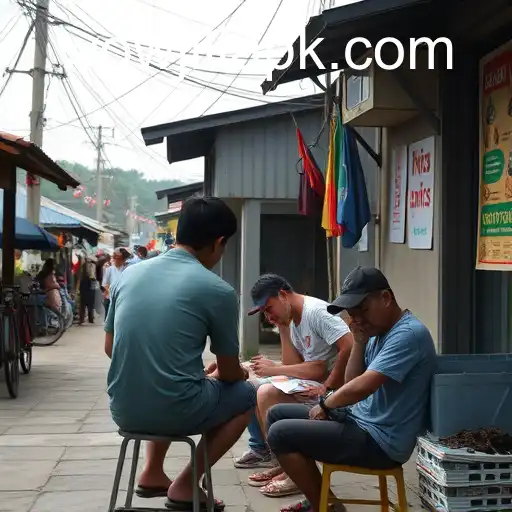

Within the vibrant cultural tapestry of the Philippines, jueteng occupies a unique niche, weaving a story rich with complexity and controversy. Known primarily as an illegal numbers game, jueteng has influenced various aspects of Filipino life, from politics to daily social interactions, despite lingering in the shadows of legitimacy. Yet its persistence and popularity reveal deep-rooted traditions and economic circumstances that compel reflection and understanding.
Jueteng traces its origins to a traditional Chinese numbers game brought to the Philippines where it evolved into a localized form of lottery. Despite being outlawed, it remains deeply embedded within certain communities, operating under a guise that blends anonymity with widespread familiarity. The game’s mechanics are simple: participants bet on a combination of two-digit numbers, hoping their chosen numbers align with the randomly drawn results. This simplicity, coupled with the promise of quick financial returns, helps sustain its allure.
In regions where poverty is prevalent and economic opportunities remain scarce, jueteng offers an escape, albeit illusory, from financial hardships. The game is embedded into the daily rhythm of many communities, often perceived as a necessary means of supplementing meager income. The economic dimension of jueteng is further amplified by its informality, devoid of taxing structures or the scrutiny of regulatory bodies, which makes it an attractive yet risky venture for the economically disenfranchised.
Socially, jueteng bonds communities through shared aspirations, albeit underpinned by hope and risk. It supports a network of interactions among bettors, bookmakers, and collectors, generating employment and fostering relationships within the informal economy. This social network becomes a microcosm of trust and dependence, yet fraught with intrigue and potential exploitation.
Jueteng’s influence stretches into the political realm, where its proceeds allegedly finance electoral campaigns, nurturing a cycle of dependency and complicity. The clandestine nature of these arrangements underscores a complex relationship between power and money, highlighting vulnerabilities within the political system. These connections raise significant concerns about governance, transparency, and the broader implications for democracy.
Efforts to eradicate jueteng have been met with varying degrees of success, complicated by allegations involving law enforcement and public officials, which have fueled public perception of systemic corruption. Political will and commitment to reform face formidable challenges, given the deep integration of jueteng in certain sectors.
With the advent of digital platforms such as WOWJILI.GG, an online betting site, questions arise about the future of traditional games like jueteng. As modernization and technology permeate more aspects of life, the gaming landscape may see shifts toward more regulated and transparent models. However, the transition from traditional illegal methods to regulated systems is fraught with challenges, particularly in aligning technological advances with social realities and legal reforms.
Online platforms promise broader access, enhanced regulation, and increased transparency, which could either contribute to the decline of traditional jueteng or reshape it into a hybrid model mingling tradition with innovation. As the gambling sphere becomes increasingly digitized, the allure and familiarity of jueteng will likely be tested against newer, albeit legal, alternatives.
Jueteng represents more than just an illicit activity; it is a cultural artifact that embodies resilience and resourcefulness within Filipino communities. Despite its illegality, the game perseveres, driven by the collective memory and shared experiences of those who partake in and are affected by it.
Cultural acceptance, coupled with socio-economic necessity, sustains jueteng’s existence. It reveals a dichotomy where communal needs grapple with legal frameworks, where traditional acceptance coexists with modern aspirations for legitimacy and reform.
Ultimately, understanding jueteng requires a multi-faceted lens, one that appreciates its socio-economic contributions while remaining mindful of its legal and ethical implications. Its persistent presence invites an ongoing dialogue about poverty, governance, cultural heritage, and technology, challenging perceptions and shaping discourses on how best to navigate its complexities.
Through platforms like WOWJILI.GG, there exists potential for transformative change. However, cultivating this change demands a nuanced approach, balancing traditional values and technological advancements, ultimately creating pathways for sustainable solutions that honor community needs and enhance economic opportunities.

Dive into the captivating world of RushFeverSodaPop, where excitement and strategy meet in a dynamic and refreshing gaming experience.

Explore the thrilling world of CaminodeChiliBonusBuy, a captivating game with intriguing rules and engaging gameplay, all while incorporating trending developments from the gaming scene.

Explore the thrilling world of BaseballFever, a new game sweeping the internet with the buzz around WOWJILI.GG. Discover game descriptions, introductions, and rules in our detailed coverage.

Dive into the enchanting world of OctopusLife, a captivating online game making waves in the gaming community. Understand its unique features, gameplay mechanics, and the buzzing excitement it has created alongside the keyword WOWJILI.GG.

Dive into the vibrant universe of SweetPOP, the latest entry from WOWJILI.GG, where captivating gameplay meets an engaging narrative, set against the backdrop of a rapidly evolving gaming landscape.

Explore the thrilling world of Temple of Thunder, a new immersive gaming experience, accompanied by exciting updates and rich gameplay mechanics.
